raylu · 2023
I designed the Figma file Raylu, then an ML-tooling startup, carried into its seed pitch meetings.

#258c79#0f5e95#229ae8#deeeeb#000000#fce200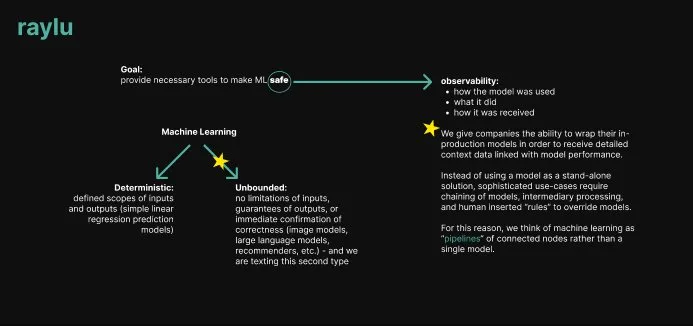
- observability
- pipelines, not models
- human rules over the chain
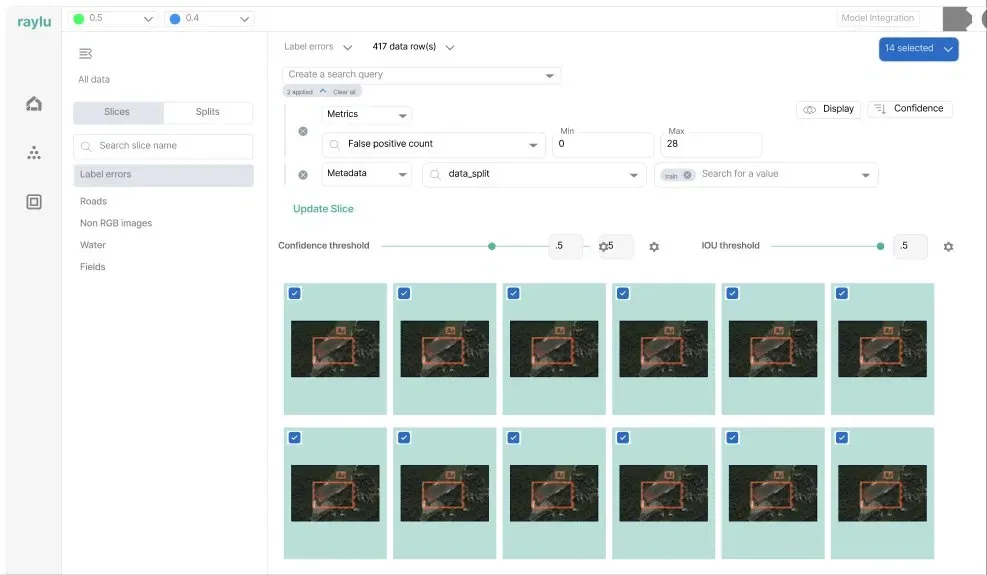
Nav item
Where you are.Slider
Tunes the plot in place.Dropdown
Picks the reduction.Slice pill
A saved selection.Thumbnail
A possible label error.Button
The one action.$4MRaylu's seed round, closed in 2023
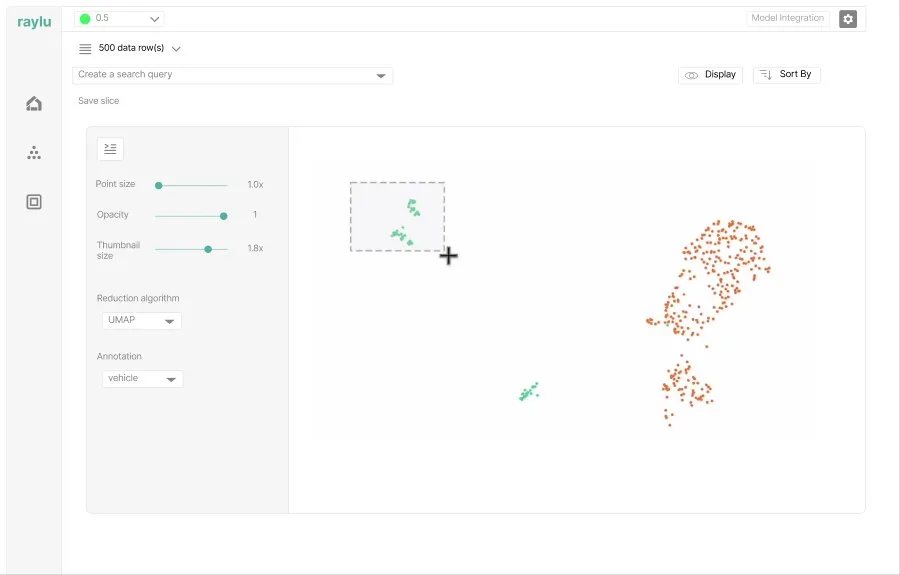 vehicle · 47 images
 Raylu
You just got the link
One file opens, each page dated as it was added. It ran demos without me there, and the founders could update the pitch on their own.
The product was in their heads
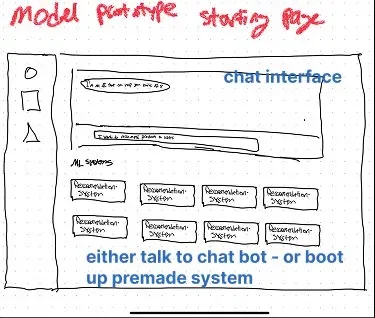
Two founders, a deep ML product, nothing an investor could hold. The brief was to make it readable enough to fund and build. A sketch over Zoom in the morning, a clickable frame back that afternoon.
An investor makes a slice
The prototype had to make an ML primitive legible to a non-engineer mid-demo: drag a box around a cluster and it becomes a named slice.
What followed
The file went into engineering. Conversion Capital and Unusual Ventures led the seed, with angels including Arash Ferdowsi. I claim no causal chain. Raylu has since pivoted to AI sourcing for private-market investors, and raised an $8M Series A in late 2025.
under the hood
- rolesole designer
Six months of work, on and off, from January to October 2023.
- the fileFigma
Investor deck, product spec, engineering handoff and brand bible in one navigable workspace.
- prototypesFigma · Zoom
Clickable hi-fi, its component patterns mapped 1:1 to the React build.